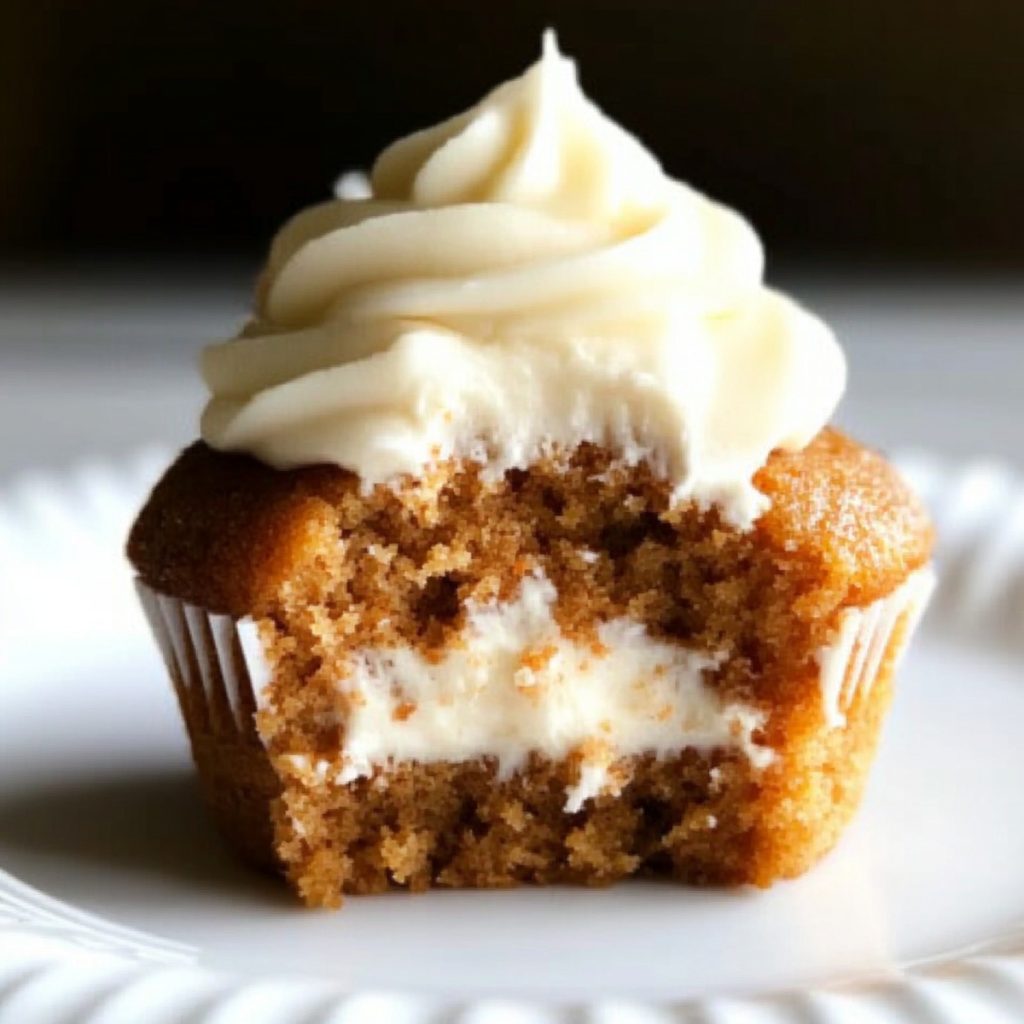
Carrot cake cupcakes can go in a lot of directions – too wet, too fluffy, flat on top, frosting that slides right off. This version focuses on one main skill: controlling texture. If you can manage the carrots properly and mix the batter just enough, you’ll land that sweet spot: plush, slightly dense cupcakes that hold a tall swirl of cream cheese frosting without collapsing.
The most important move here is how you handle the carrots. Instead of just grating them and calling it a day, we’re going one step further: grated then chopped. That gives you tiny, papery bits that soften quickly in the oven and distribute evenly through the batter. No wet pockets, no stringy pieces, and no drag on the structure of the cupcake. If you’ve ever had a carrot cupcake sink or feel gummy, this is usually why.
We’re also working with oil instead of butter in the batter, which helps keep the crumb moist for a day or two — useful if you’re making these ahead for a gathering or a simple weekend treat. The trade-off with oil is that it can make the cupcakes too loose if you’re not careful, so I’ll walk you through exactly how far to whisk and when to stop stirring the dry ingredients. A few seconds of mixing can be the difference between tall, domed cupcakes and flat, tough ones.
The cream cheese frosting has its own technique to master. The goal is a smooth, stable frosting that pipes cleanly and holds its shape at room temperature for a while. That comes down to butter and cream cheese being properly softened, not melted, and adding the powdered sugar in a way that builds structure rather than turning everything soupy.
If you’re following the seasons, these carrot cake cupcakes with cream cheese frosting are especially good in late winter and early spring, when local carrots are sweet and plentiful. They’re simple enough for a weeknight but polished enough for a brunch or birthday dessert. Once you understand the few key techniques here, you can repeat this success every time.
Master the Method: Carrot Cake Cupcakes With Cream Cheese Frosting
Click here to get printable version
What Goes In
- 3/4 cup canola oil
- 1 cup packed brown sugar (190 grams)
- 1 1/2 teaspoons vanilla extract (for the batter)
- 2 eggs
- 2 medium carrots, peeled, grated, and then chopped (180 grams, about 1 1/2 cups)
- 1 cup + 2 tablespoons all-purpose flour (160 grams)
- 1 teaspoon baking powder
- 1/2 teaspoon baking soda
- 1 1/4 teaspoons ground cinnamon
- 1/4 teaspoon ground ginger (optional but recommended)
- 3/4 teaspoon salt (table salt)
- 5 ounces cream cheese, softened
- 5 tablespoons butter (salted, softened)
- 2 1/2 cups powdered sugar
- 1 teaspoon vanilla extract (for the frosting)
Technique-Focused Instructions
- Prep the pan and oven. Preheat your oven to 350°F (175°C). Lightly grease a standard 12-cup muffin tin with nonstick spray. Skip paper liners if you want a chewier edge and those nice ridged sides and domed tops; just make sure every cup is coated well so the cupcakes release cleanly.
- Prepare the carrots the smart way. Peel the carrots and grate them on the small or medium holes of a box grater. Gather the grated carrot into a pile and roughly chop it with a knife until the pieces look fine and papery. This extra step helps them soften and blend into the batter instead of forming stringy or wet clumps.
- Make the batter base. In a medium bowl, whisk together the canola oil, brown sugar, eggs, and 1 1/2 teaspoons vanilla until the mixture looks smooth and slightly thickened. This shouldn’t take more than 30–45 seconds. You’re aiming for everything to be fully combined, but don’t over-whisk to the point of it becoming very foamy.
- Fold in the carrots. Add the prepared carrots to the wet mixture and gently fold with a spatula until they’re evenly dispersed. At this point the batter will look loose, but you should see carrot bits distributed throughout without large clumps.
- Combine the dry ingredients. In a separate bowl, whisk together the flour, baking powder, baking soda, cinnamon, ginger (if using), and salt. This step ensures the leavening and spices are evenly spread, so you don’t get pockets of baking soda or uneven flavor.
- Bring the batter together. Tip the dry mixture into the wet ingredients. Using a spatula, fold gently from the bottom up, turning the bowl as you go. Stop as soon as you no longer see dry streaks of flour. The batter should be thick but pourable and slightly lumpy from the carrots. Overmixing here will make the cupcakes tough and can reduce their rise.
- Fill the muffin cups. Divide the batter evenly among the 12 muffin cups, filling each about two-thirds full. Keeping them at this level helps you get a nice dome without overflowing. If you’re using paper liners, don’t overfill; they may need a slightly longer bake time.
- Bake to just-done. Place the pan in the preheated oven and bake for 16–17 minutes if you’re baking directly in the greased tin. Start checking at 16 minutes. Gently press the center of a cupcake: if it springs back lightly and doesn’t leave an indentation, they’re done. If the center feels soft or stays compressed, bake for another 2–3 minutes. With paper liners, expect closer to 19 minutes total.
- Cool completely before frosting. Let the cupcakes cool in the pan for 5 minutes, then carefully lift them out and transfer to a wire rack. Allow them to cool fully — the tops should feel room temperature to the touch. Frosting warm cupcakes will cause the cream cheese frosting to melt and slide.
- Beat the cream cheese and butter. In a mixing bowl, add the softened cream cheese and butter. Using an electric hand mixer or stand mixer fitted with the paddle attachment, beat on medium speed until completely smooth, with no visible lumps. This usually takes 1–2 minutes. Scrape down the bowl once or twice so everything is evenly mixed.
- Build the frosting structure. Add the powdered sugar and 1 teaspoon vanilla to the bowl. Start mixing on low speed to avoid a sugar cloud, then increase to medium until the frosting looks thick, smooth, and slightly fluffy. It should hold soft peaks and sit proudly on a spoon without running. If it feels too loose, refrigerate it for 10–15 minutes, then beat briefly again.
- Frost and serve. Once the cupcakes are completely cool, transfer the frosting to a piping bag fitted with your favorite tip, or use an offset spatula or spoon. Pipe or spread a generous swirl of frosting on each cupcake. Serve right away, or refrigerate for later. For the best texture, let chilled cupcakes sit at room temperature for 10–15 minutes before eating.
Why Grated-Then-Chopped Carrots Matter
Using carrots that are first grated and then roughly chopped is a small step with a big payoff. Grating alone gives long, stringy shreds that can create dense, wet tunnels in the crumb as they bake and release moisture. When you chop the grated carrot, you’re turning those strands into fine bits that behave more like part of the batter. They soften evenly, distribute throughout each cupcake, and help the batter stay cohesive. This translates to a more uniform texture, better rise, and a cupcake that slices cleanly without tearing. It also helps the cupcakes store better, since you don’t have large wet pockets that can turn gummy by the next day.
Nailing That Plush-But-Dense Cupcake Texture
The ideal carrot cake cupcake isn’t airy like a sponge cake or heavy like a muffin. You’re aiming for a plush, slightly dense crumb that feels substantial but still tender. This balance comes from three main factors: oil, sugar, and mixing. Oil keeps the crumb moist without the aeration that creamed butter would bring, which naturally leans the texture denser. Brown sugar adds moisture and a bit of chew. The crucial part is to mix the dry ingredients into the wet just until you no longer see flour. Overmixing develops gluten and makes the cupcakes tough. Underbaking can make them gummy, so use the spring-back test in the center instead of relying on time alone.
Getting Bakery-Style Domed Cupcake Tops
Domed cupcakes come down to batter thickness, oven temperature, and pan prep. A slightly thicker batter, like this one, is more likely to climb upward instead of spreading out. Starting in a fully preheated 350°F oven gives the baking powder and baking soda a strong, immediate boost so the tops lift quickly and set in that domed shape. Greasing the tin (and skipping liners) also helps the batter grip the sides as it rises, which encourages a taller top and a chewier edge. Don’t overfill the cups; two-thirds full is the sweet spot. Overfilled cups spill over and flatten instead of doming neatly.
Cream Cheese Frosting That Actually Holds Shape
Sturdy cream cheese frosting is all about temperature and ratio. Both the cream cheese and butter should be soft enough to press a finger in easily but not melty or shiny. If they’re too cold, you’ll get tiny lumps; too warm, and the frosting stays loose no matter how much sugar you add. Beating the butter and cream cheese together first creates a smooth base that can support the powdered sugar. Add the sugar once that mixture is lump-free, and beat until you see defined ridges and soft peaks in the bowl. If the frosting feels slack, chill briefly, then rewhip. Avoid adding extra liquid (like milk) unless absolutely necessary; it dilutes the structure.
Best Ways to Store These Frosted Cuties
Because of the cream cheese frosting, these cupcakes are best stored in the fridge, but how you do it affects their texture. Arrange the frosted cupcakes in a single layer in an airtight container, leaving a bit of space so the frosting doesn’t get squished. Chill for up to 3 days. Before serving, let them sit at room temperature for 10–20 minutes so the crumb can soften and the flavors open up. If you want to prep further ahead, you can freeze the unfrosted cupcakes tightly wrapped for up to 2 months, then thaw at room temperature and frost fresh. Avoid leaving frosted cupcakes out for more than 2 hours at warm room temperatures for food safety.
Before You Try It: FAQs
Can I substitute another oil for canola in these cupcakes?
Yes, you can swap canola oil for other neutral oils like sunflower, grapeseed, or a light olive oil. Each has a slightly different flavor, but they’ll behave similarly in the batter. Avoid strongly flavored oils like extra-virgin olive oil or unrefined coconut oil unless you want that flavor to come through. You can use melted coconut oil, but make sure all ingredients are at room temperature so it doesn’t solidify on contact. Keep the oil amount the same to maintain the proper texture and moisture level.
How fine should I chop the grated carrots if I’m using a food processor?
If you’re using a food processor, start by pulsing peeled carrot chunks until finely grated, then give a few extra short pulses to mimic the grated-then-chopped effect. You’re aiming for very small, irregular flecks, about the size of short rice grains or smaller, not a puree. Stop processing as soon as the pieces look papery; if you go too far, the carrots release too much moisture and can make the batter heavy. Check the bowl often so you don’t overshoot that point.
What’s the best way to measure flour for this recipe accurately?
To stay close to the intended texture, it’s best to use the gram measurement (160 grams) if you have a kitchen scale. If you’re using cups, use the spoon-and-level method: fluff the flour in the container, lightly spoon it into the measuring cup without packing, then level the top with a straight edge. Avoid scooping directly with the cup; that can compact the flour and add 20–30% more than intended, making the cupcakes dry and reducing their rise. Accurate flour measurement is one of the easiest ways to improve consistency.
How can I adjust baking if my oven runs hot or cold?
Ovens can easily be off by 25–50°F, which affects cupcake rise and moisture. Using an inexpensive oven thermometer is the most reliable way to know your true temperature. If you know your oven runs hot, lower the set temperature by 15–25°F and start checking doneness a minute or two earlier. If it runs cool, you may need a few extra minutes. Regardless, rely on the spring-back test in the center rather than time alone. The tops should feel set and bounce back lightly when pressed.
Can I reduce the sugar without ruining the texture?
You can reduce the brown sugar slightly, but there are trade-offs. Sugar doesn’t just sweeten; it also helps keep the cupcakes moist and tender. If you’d like them less sweet, you can cut the brown sugar by about 2–3 tablespoons without major issues. Going further may make the crumb drier and less plush, and it can reduce browning. For the frosting, you can adjust sweetness by using a bit less powdered sugar and chilling longer to help it firm up, but it may be softer and less pipeable.
How do I adapt this recipe for mini cupcakes?
To make mini carrot cake cupcakes, prepare the batter and frosting exactly as written, but use a mini muffin tin. Fill each mini cup about two-thirds full, just like with standard cupcakes. Bake at the same 350°F temperature, but start checking around 9–10 minutes; minis bake much faster. Look for lightly golden edges and a springy center. You’ll get more individual cupcakes, and you may want to use a smaller piping tip or just a dollop of frosting on each to keep the ratio balanced.
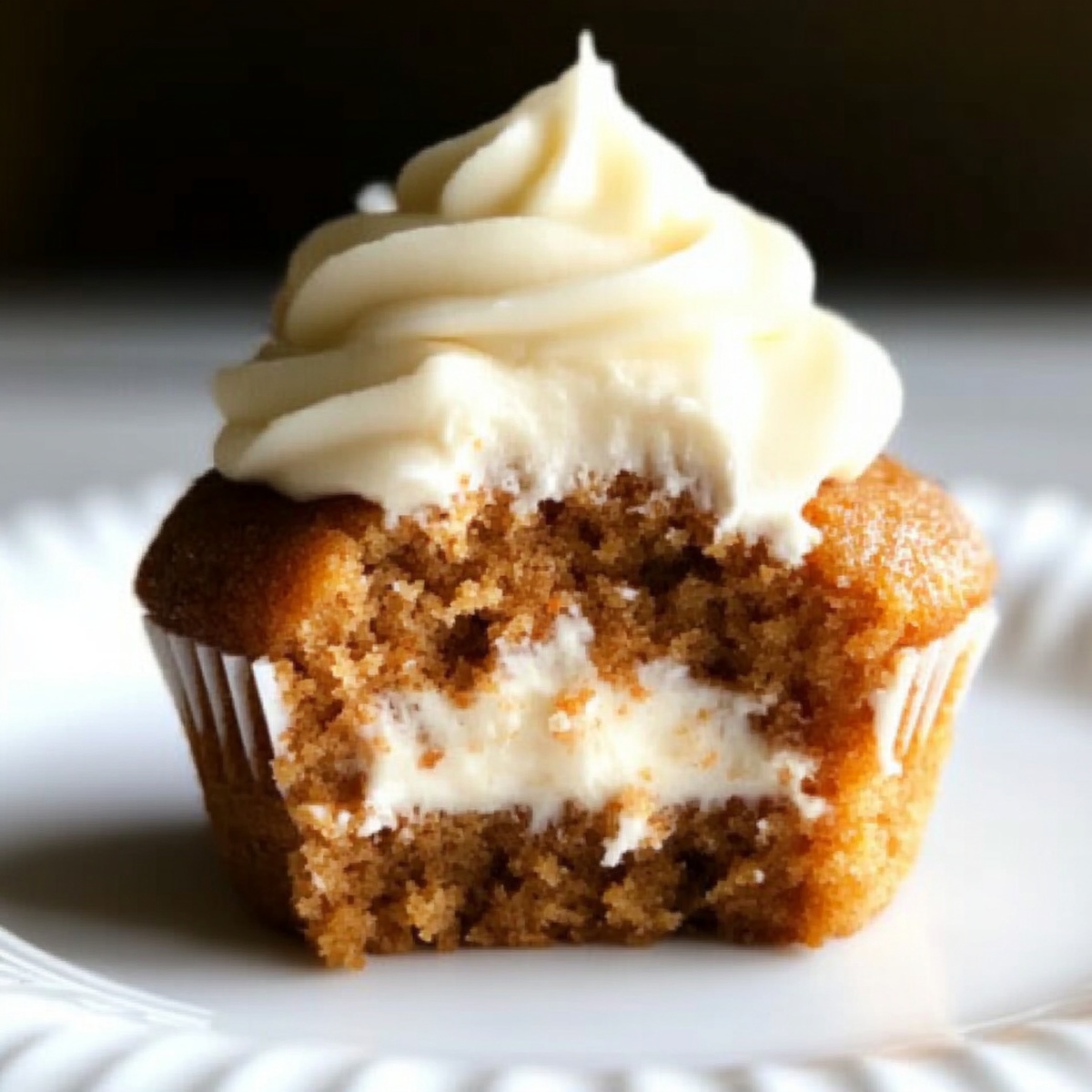
Carrot Cake Cupcakes With Cream Cheese Frosting
Equipment
- muffin tin
- Electric mixer
Ingredients
Cupcakes:
- 3/4 cup canola oil see notes
- 1 cup packed brown sugar 190 grams
- 1 1/2 teaspoons vanilla
- 2 eggs
- 2 medium carrots peeled, grated, and roughly chopped (180 grams – about 1 1/2 cups)
- 1 cup + 2 tablespoons all-purpose flour 160 grams
- 1 teaspoon baking powder
- 1/2 teaspoon baking soda
- 1 1/4 teaspoon ground cinnamon
- 1/4 teaspoon ground ginger optional
- 3/4 teaspoon salt I use table salt
Cream Cheese Frosting:
- 5 ounces cream cheese softened
- 5 tablespoons butter softened; I prefer salted butter
- 2 1/2 cups powdered sugar
- 1 teaspoon vanilla extract
Instructions
- Heat the oven to 350°F (175°C). Lightly grease a muffin pan (or line with paper liners if preferred); greasing without liners gives a crisp, ridged edge and a domed top.
Carrots:
- Peel and grate the carrots, then chop the shreds into smaller pieces so they integrate evenly into the batter. A food processor can be used, but the hand-grated-and-chopped method yields a preferable texture.
Cupcake Batter:
- In a large bowl, whisk together the canola oil, packed brown sugar, eggs, and 1 1/2 teaspoons vanilla until smooth and uniform.
- Fold the prepared carrots into the wet mixture. Add the flour, baking powder, baking soda, cinnamon, optional ginger, and salt, stirring gently until the dry ingredients are just combined—avoid overmixing.
Bake:
- Spoon batter into the prepared tin, filling each cup about two-thirds full. Bake until a gentle press on the center springs back, about 16–17 minutes (if using paper liners, check nearer 19 minutes).
Cream Cheese Frosting:
- With an electric mixer, beat the softened butter and cream cheese together until completely smooth and lump-free.
- Add the powdered sugar and 1 teaspoon vanilla extract, then mix until the frosting is silky and holds shape. If it feels too soft for piping, chill briefly to firm it up.
Finish:
- Once cupcakes are fully cool, pipe or spread frosting over each one. Serve immediately or refrigerate; they maintain great texture and flavor the next day.