Creamy tomato pasta is one of those dishes I come back to when I want real comfort without a lot of fuss. It uses basic pantry staples, but the result feels like something you’d happily order on vacation after a long day of walking around a new city. You don’t need special gear or chef skills here, just a pot, a pan, and a little attention to timing.
I first started making this version when I realized how often I had tomato paste, tomato sauce, and cream sitting around with no plan. Combining them into one silky sauce turned out to be an easy win. The flavor is rich but not heavy, and it leans on a few simple ingredients doing their job well instead of a long list of extras.
This creamy tomato pasta is especially useful on busy nights when you’re hungry but not in the mood to chop a bunch of vegetables or monitor multiple pans. The garlic cooks quickly, the tomato paste adds depth in seconds, and the cream pulls everything together. While the pasta boils, the sauce quietly thickens, and by the time the noodles are ready, you’ve got dinner.
I also like how flexible this recipe is. You can use whatever pasta shape you have, adjust the creaminess, and tweak the seasoning to match your mood. If the sauce feels too tangy one day, you can dial it back. If you want it a bit more intense, you can cook it a minute longer. It’s forgiving and easy to make your own.
If you enjoy tasting different cultures through food, this is a nice way to experience an Italian-inspired classic with a very home-cook-friendly approach. No complicated techniques, no hard-to-find ingredients—just a clean, straightforward recipe that delivers a plate of creamy tomato pasta you’ll want to revisit often.
Your New Go-To Recipe: Creamy Tomato Pasta
Click here to get printable version
Things to Grab
- 8 ounces uncooked pasta
- 2 tablespoons butter
- 2–3 cloves garlic, minced
- 2 tablespoons tomato paste
- 1 (14 ounce) can tomato sauce
- 3/4 cup heavy or whipping cream
- 1/4 teaspoon Italian seasoning
- Salt and pepper, to taste
- Freshly grated Parmesan cheese, for serving
Mindful Prep, Step by Step
- Bring a large pot of well-salted water to a boil. Add the pasta and cook it until just al dente, following the package time. Keep back about a cup of the starchy pasta water before draining so you can adjust the sauce later.
- Once the pasta goes into the water, place a skillet over medium heat and add the butter. When it’s fully melted and just starting to foam, stir in the minced garlic. Cook for about 30–60 seconds, stirring constantly, until it smells fragrant but hasn’t turned brown.
- Add the tomato paste to the skillet and stir it into the butter and garlic. Cook it for about 1 minute to wake up the flavor, then pour in the tomato sauce, cream, and Italian seasoning. Stir well until the mixture is completely smooth and evenly colored.
- Let the sauce gently bubble over low to medium-low heat for about 5 minutes. Stir occasionally. It should thicken slightly and coat the back of a spoon. If it’s boiling hard, lower the heat so it doesn’t splatter or reduce too quickly.
- Taste the sauce and season generously with salt and pepper. If it tastes a bit too sharp or acidic, stir in a small pinch of sugar and taste again. Add sugar gradually so you don’t overdo the sweetness.
- Drain the pasta and add it directly into the skillet with the sauce. Toss well so every piece is coated. If the sauce feels too thick, add a splash of the reserved hot pasta water and stir until it loosens to a silky consistency.
- Serve the creamy tomato pasta right away, topped with plenty of freshly grated Parmesan. If it sits and thickens, just add another spoonful of hot water and toss to bring it back to a glossy, creamy texture.
Why the tomato paste matters more than you think here
Tomato paste is doing heavy lifting in this simple recipe. It’s not just there for color; it adds a concentrated tomato flavor that makes the sauce taste slow-cooked, even though it comes together quickly. When you cook the tomato paste briefly in butter and garlic, you’re toasting it a bit, which removes any raw, metallic edge and deepens the flavor. Give it at least 30–60 seconds in the pan before adding liquids. Skipping that toasting step can make the sauce taste flat or slightly harsh. With such a short ingredient list, that small detail is what gives this creamy tomato pasta a restaurant-level depth without extra spices or long simmering.
Getting that sauce perfectly creamy (without it breaking or clumping)
A smooth, creamy sauce is all about heat control and order of operations. The cream should go into a warm, not fiercely hot, pan. That’s why you lower the heat before adding it and let everything just gently bubble. If the sauce is boiling rapidly after you add the cream, turn the heat down right away. High heat can cause the fat in the cream to separate, giving you a greasy look instead of a silky one. Stir the sauce occasionally, scraping the bottom of the skillet so nothing catches. If it ever looks too thick or tight, a small splash of hot pasta water will bring it back to a pourable, glossy state. Parmesan is best added at the end, off the heat, so it melts smoothly over the pasta rather than clumping in the pan.
Too tangy? Here’s how to fix the acidity fast
Tomato-based sauces can vary a lot depending on the brand of tomato sauce you use. If your creamy tomato pasta tastes sharper than you’d like, you have a few quick fixes. The easiest is a pinch of sugar, added gradually and tasted in between so you don’t oversweeten. You can also soften the edge by adding a bit more cream, which rounds out the acidity. Always adjust after the sauce has simmered for a few minutes, because the flavor concentrates as it reduces. A small knob of butter whisked in at the end can also smooth things out. Avoid dumping in baking soda—it can dull the flavor and create an odd texture; gentle sweetness and fat are usually enough.
Easy swaps: cream, pasta shapes, and dairy-free options that actually work
This recipe is flexible, as long as you keep an eye on texture. If you don’t have heavy cream, you can use half-and-half; just simmer a bit more gently and slightly shorter so it doesn’t thin out the sauce too much. Whole milk works in a pinch, but don’t boil it hard or it may separate–you might want to add an extra spoon of butter for richness. Any pasta shape that holds sauce works well: penne, fusilli, rigatoni, shells, or classic spaghetti. For dairy-free, try a rich, unsweetened oat or cashew cream and use olive oil instead of butter. Add plant-based cream at lower heat and taste as you go; some brands are already slightly sweet, so you may not need sugar at all.
Add-ins that make this a full meal (without messing up the sauce)
You can easily turn this into a complete one-pan-style meal with a few smart add-ins. Cooked chicken, shrimp, or Italian sausage work well, but add them after the sauce has come together so they just warm through without overcooking. For vegetables, stir in quick-cooking options like baby spinach, peas, or thinly sliced bell peppers during the last couple of minutes of simmering. Avoid very watery vegetables (like zucchini chunks) unless you sauté them separately first; excess liquid can thin the sauce too much. Canned chickpeas or white beans are another good protein boost—just rinse, drain, and fold them into the hot pasta and sauce right before serving.
Recipe FAQ: Common Questions
Can I make this creamy tomato pasta ahead of time?
You can make it ahead, but there are a few things to keep in mind for best texture. The sauce thickens as it cools and the pasta will keep absorbing liquid, so leftovers are always a bit less saucy. If you plan ahead, cook the pasta slightly under al dente and store it separately from the sauce. Reheat the sauce gently on low heat, adding a splash of water or cream until it loosens, then toss with the pasta right before serving. Avoid boiling the sauce when reheating so the cream doesn’t separate.
What if I only have tomato puree or crushed tomatoes instead of canned tomato sauce?
Tomato puree or crushed tomatoes can work, but you may need to tweak both cooking time and seasoning. Puree tends to be thicker and more intense, so you might want to add a small splash of water or extra cream to balance it out. Crushed tomatoes can be chunkier and more acidic, so allow them to simmer a bit longer before you add the cream. Taste for salt and acidity after reducing, then adjust with sugar or more cream as needed. The key is getting a smooth, slightly thick base before finishing the sauce.
How can I scale this recipe up for a crowd without losing quality?
Scaling up is simple, but pan size and heat control become more important. Use a wide, large skillet or even a Dutch oven so the sauce can spread out instead of forming a very deep layer that reduces unevenly. When you increase the quantity, don’t crank the heat to rush the process—keep the sauce at a gentle bubble so the cream stays smooth. It’s also smart to cook the pasta in batches or in a very large pot so it doesn’t stick. Reserve extra pasta water, since bigger batches often need more liquid to adjust the final consistency.
Why is my sauce bland even though I followed the recipe?
Blandness usually comes down to salt, cooking time, or ingredient quality. Tomato products and cream can mute each other if you don’t season enough. Taste the sauce at least twice: once after it’s simmered and again right before tossing with pasta. Add salt in small pinches and give it a good stir each time. Letting the sauce simmer the full few minutes helps concentrate flavor, and toasting the tomato paste briefly is key. Also, using freshly grated Parmesan instead of pre-shredded cheese adds a noticeable boost in both saltiness and depth.
Can I use whole wheat or gluten-free pasta for this recipe?
Yes, both whole wheat and gluten-free pasta work well, but they behave a bit differently in the pot. Whole wheat pasta can be slightly nuttier and more absorbent, so you may need a touch more sauce or pasta water to keep everything creamy. Gluten-free pasta can overcook quickly and become soft, so start checking it a couple of minutes before the package time. Reserve extra cooking water because gluten-free shapes often need more help loosening the sauce after mixing. Flavor-wise, the creamy tomato sauce pairs nicely with both options.
How do I store and reheat leftovers so the pasta doesn’t dry out?
Store leftovers in an airtight container in the fridge for up to 3 days. The pasta will soak up some of the sauce as it sits, so it may look a bit dry when you open the container. When reheating, transfer a portion to a skillet or microwave-safe dish and stir in a spoonful of water, milk, or cream. Heat gently, stirring once or twice, until everything loosens and becomes creamy again. Avoid long, high-heat microwaving, which can make the sauce oily and the pasta tough around the edges. A quick, low-heat reheat with added moisture gives the best texture.
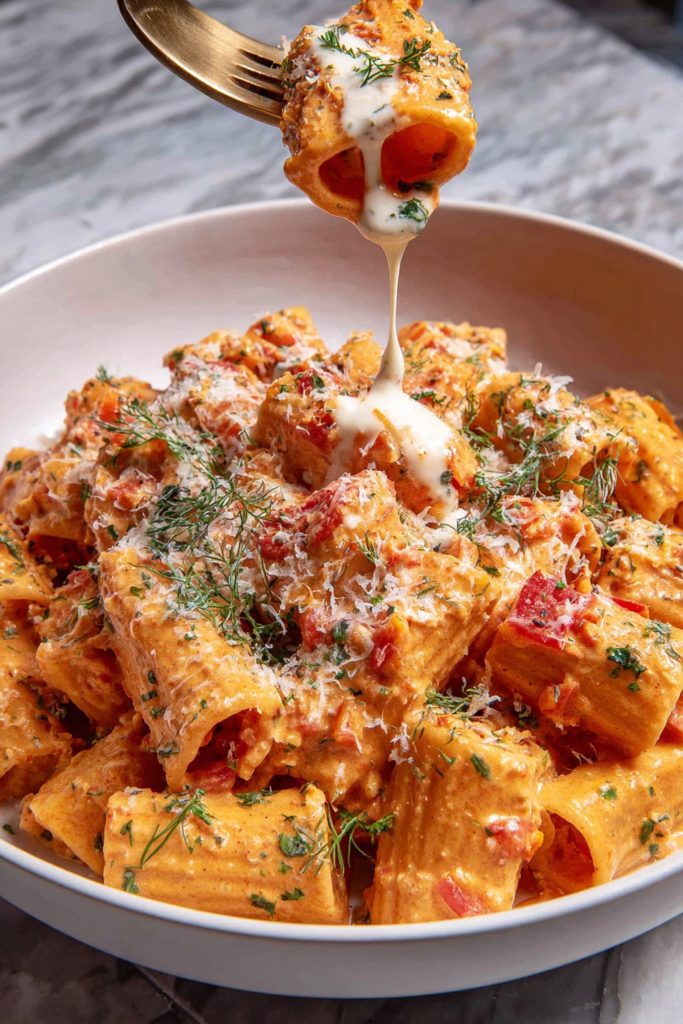
Creamy Tomato Pasta
Equipment
- large pot
- Skillet
Ingredients
- 8 ounces uncooked pasta
- 2 tablespoons butter
- 2-3 cloves garlic minced
- 2 tablespoons tomato paste
- 1 14 ounce can tomato sauce
- 3/4 cup heavy cream or whipping cream
- 1/4 teaspoon Italian seasoning
- Salt to taste
- Black pepper to taste
- Freshly grated Parmesan cheese for serving, to taste
Instructions
- Bring a large pot of generously salted water to a boil and cook the pasta until it is al dente according to the package directions.
- While the pasta cooks, heat the butter in a skillet over medium-high heat. Add the minced garlic and cook, stirring, until it becomes fragrant, about 1 minute.
- Stir in the tomato paste and cook briefly to concentrate its flavor, then pour in the tomato sauce and heavy cream. Add the Italian seasoning and whisk or stir until the mixture is smooth.
- Reduce the heat so the sauce simmers gently and cook for about 4–6 minutes, or until it thickens slightly and coats the back of a spoon.
- Taste the sauce and season with salt and pepper as needed. If the sauce tastes too tart, balance it with a pinch of sugar.
- Drain the pasta, reserving a little of the hot pasta water. Add the pasta to the skillet and toss with the sauce, thinning with reserved pasta water if necessary to reach the desired consistency.
- Serve immediately, finishing each portion with a generous sprinkle of freshly grated Parmesan cheese.