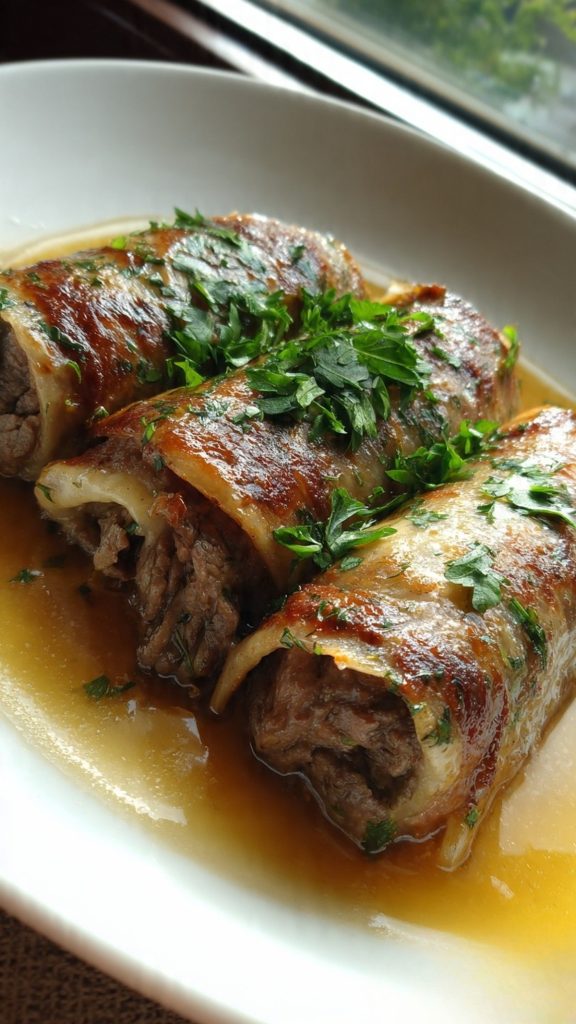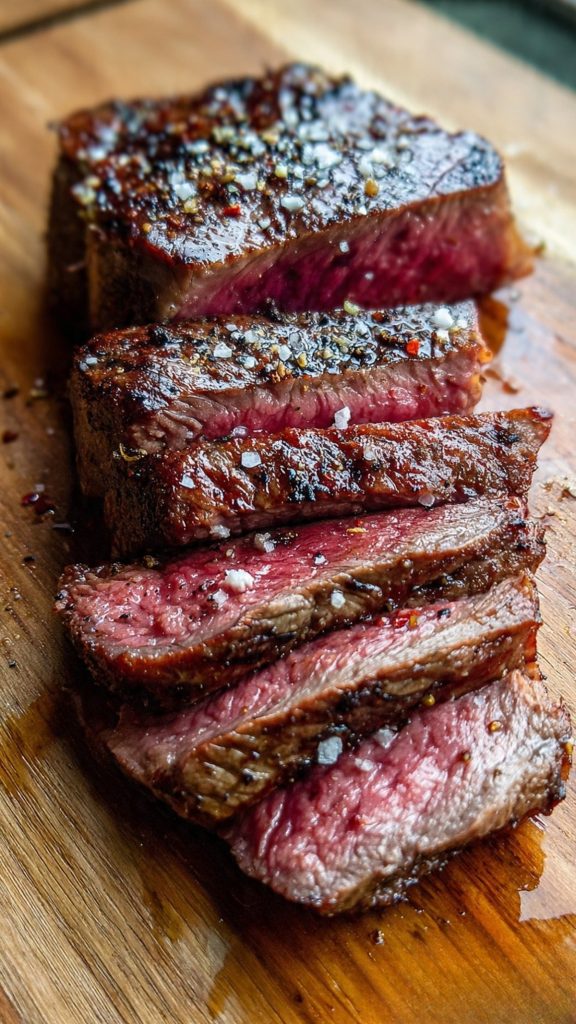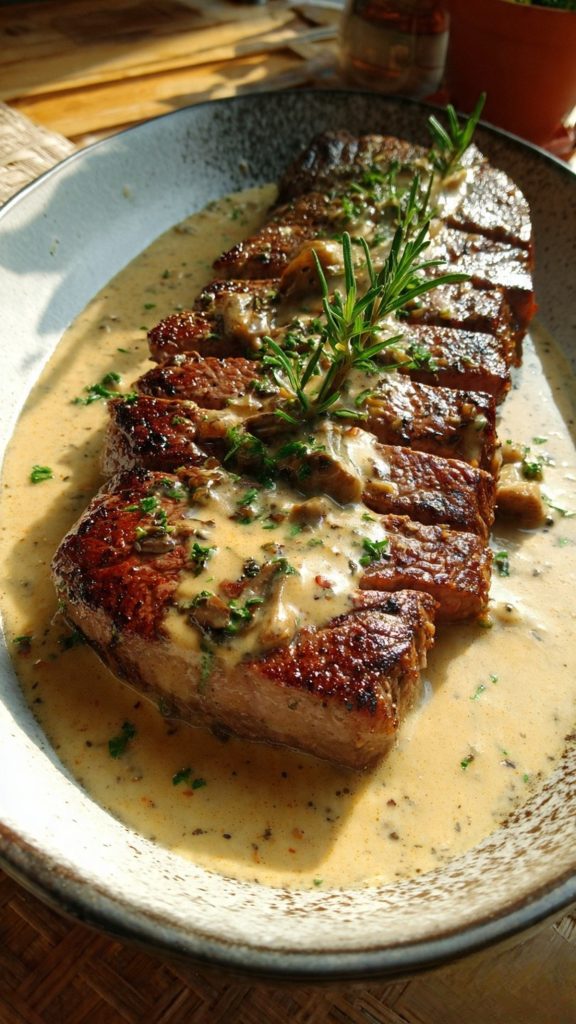
When I need a dinner that feels a little special but still fits into a busy weeknight, this Juicy Steak with Creamy Garlic Sauce is the move. It’s basically a one-pan situation: quick-seared steak, a simple pan sauce, and you’re done in about 30 minutes. It works just as well for a low-key date night at home as it does for feeding a couple of hungry kids after sports practice.
What I like most is how flexible it is with sides and seasons. In cooler months, I’ll serve it over mashed potatoes with roasted root vegetables from the farmers’ market. When it’s warmer, I slice the steak and spoon the garlic sauce over grilled zucchini, green beans, or a big pile of local salad greens. You can keep it lighter or more comforting depending on what’s in season and what you’ve got in the fridge.
This is also a great dish to bring people together without a lot of fuss. Slice the steak, fan it out on a platter, and pour the sauce over the top so everyone can help themselves. The technique is straightforward, but paying attention to a few small details—like drying the steak properly and not rushing the pan sauce—makes it taste like a restaurant meal without the price tag or the time sink.
Nourish Yourself with Juicy Steak With Creamy Garlic Sauce
Click here to get printable version
Ingredients
- 2 ribeye or sirloin steaks (about 8 oz / 225 g each)
- 1 tablespoon olive oil
- 1 tablespoon butter
- Salt and black pepper, to taste
- 4 cloves garlic, minced
- ½ cup heavy cream (120 ml)
- ¼ cup beef broth (60 ml)
- ¼ teaspoon crushed red pepper flakes (optional, for a little heat)
- ¼ cup grated Parmesan cheese (25 g)
- 1 teaspoon Dijon mustard
- 1 teaspoon fresh lemon juice
- Fresh parsley, chopped, for garnish
Mindful Prep, Step by Step
- Prep and season the steaks. Take the steaks out of the fridge about 20–30 minutes before cooking so they’re not ice-cold. Pat them completely dry with paper towels — this helps you get a good crust instead of steaming. Rub both sides with olive oil, then season generously with salt and black pepper. Let them sit while you heat the pan so the seasoning can start to sink in.
- Sear the steaks for a flavorful crust. Heat a large skillet (cast iron is ideal) over medium-high until it’s very hot. Add the butter and let it melt and foam. As soon as the butter is sizzling, lay the steaks in the pan without crowding. Don’t move them for 3–4 minutes — this stillness is what builds the crust. Flip and cook another 3–4 minutes for medium-rare, or adjust for your preferred doneness. Transfer the steaks to a plate and let them rest; this lets the juices redistribute so the meat stays moist.
- Build the base of the garlic sauce. Lower the heat to medium so the garlic doesn’t burn. In the same skillet (don’t wipe it out — those browned bits are flavor), add the minced garlic. Cook for about 30 seconds, stirring, just until fragrant. If it starts to brown deeply, your heat is too high. Pour in the beef broth and heavy cream, stirring and scraping up any browned bits from the bottom of the pan — the liquid should loosen them and turn the sauce a light golden color.
- Flavor and thicken the sauce. Stir in the Parmesan, Dijon mustard, and red pepper flakes (if using). Keep the sauce at a gentle simmer — not a rolling boil — and stir often. In about 2–3 minutes, it should thicken enough to lightly coat the back of a spoon, with no large cheese clumps. Once it reaches that point, stir in the lemon juice to brighten the flavor and cut through the richness.
- Finish the steaks in the sauce. Return the rested steaks (and any juices on the plate) to the skillet. Spoon the sauce over the tops and let everything simmer together for 1–2 minutes. This warms the steaks back through and lets the flavors mingle without overcooking the meat. If the sauce gets too thick, splash in a tablespoon of broth or water and stir.
- Garnish and serve. Turn off the heat. Taste the sauce and adjust salt, pepper, or lemon juice if needed. Sprinkle with chopped fresh parsley for color and freshness. Serve the steaks whole or sliced against the grain, with plenty of sauce spooned over the top. Pair with seasonal sides like roasted potatoes and carrots in winter or sautéed greens and grilled vegetables in spring and summer.
Picking the Right Steak
For this recipe, you want a cut that can handle a quick sear and still stay juicy. Ribeye is naturally marbled, which means more built-in flavor and tenderness, while sirloin is a bit leaner but still very tasty and usually more budget-friendly. Aim for steaks that are at least 1 inch thick; thinner steaks cook too fast and are easy to overdo, especially in a hot pan. If you’re buying from a local butcher or farmers’ market, ask for a good pan-searing steak and look for even marbling — little white streaks of fat running through the meat. That intramuscular fat melts as it cooks and gives you that “restaurant-style” flavor without needing extra ingredients.
Pan Searing for Best Crust
The crust is where most of the flavor lives, and it comes down to heat control and dryness. The steak needs to be dry on the outside and placed into a very hot pan. If the pan isn’t hot enough, the meat releases juices, and you end up steaming instead of searing. Preheat the skillet for a few minutes before adding butter, and don’t overcrowd the pan — if necessary, cook one steak at a time. Once the steak hits the pan, resist the urge to poke and flip repeatedly. Keeping it still allows the surface to brown deeply. If you’re unsure about doneness, use an instant-read thermometer: about 130°F (54°C) for medium-rare after resting. Pulling it slightly under your target temp lets carryover cooking finish the job.
Adjusting the Garlic Flavor
Garlic can swing from mild and sweet to sharp and aggressive depending on how you handle it. If you like a softer, more mellow flavor, cook the garlic just until it’s fragrant and barely golden. Letting it go too dark makes it bitter, which can overpower the cream and Parmesan. For a milder result, you can even reduce the garlic to 2–3 cloves or slice it instead of mincing; larger pieces cook more gently. If you’re a garlic fan, add an extra clove or two, but keep the heat under control — medium at most. You can also stir in a small extra clove right at the end of cooking the sauce for a fresher, punchier garlic note without burning it.
Easy Sauce Variations
This creamy garlic sauce is a solid base you can tweak based on the season and what you have on hand. In spring, try adding a handful of chopped fresh herbs like chives or tarragon right at the end for a greener, lighter taste. In colder months, fold in a teaspoon of whole-grain mustard and a few sautéed mushrooms for something heartier. If you want it a bit lighter, swap half the heavy cream for whole milk and simmer a little longer to thicken — just keep the heat gentle so it doesn’t split. For extra depth, you can replace some of the beef broth with a splash of dry white wine, letting it reduce by half before adding the cream. Always taste and adjust salt, pepper, and lemon at the end so the flavors stay balanced.
Before You Try It: FAQs
Can I make this ahead for a dinner party without overcooking the steak?
You can prep parts of this recipe ahead, but keep the steak cooking closer to serving time. Season and refrigerate the steaks earlier in the day, then let them sit at room temperature for about 20–30 minutes before searing. You can also make the sauce base in advance: cook the garlic, broth, and cream together, then cool and refrigerate. Right before serving, gently reheat the sauce until it’s warm but not boiling, then add Parmesan, Dijon, and lemon so it doesn’t over-reduce. Sear the steaks just before guests sit down and finish them in the warmed sauce for 1–2 minutes.
Why did my sauce turn grainy or separate, and how can I fix it?
A grainy or split sauce usually comes from too high heat or adding cheese too early. If the cream boils hard, the fat can separate, and the Parmesan may clump instead of melting smoothly. To avoid this, keep the sauce at a gentle simmer and add the cheese gradually while stirring. If it starts to look slightly broken, remove the pan from the heat and whisk in a tablespoon of cold cream or a splash of warm water to bring it back together. Adding the lemon juice at the very end also helps; too much acidity too early can make the sauce curdle, so always finish with acid once the sauce is already smooth.

Juicy Steak With Creamy Garlic Sauce
Equipment
- Large Skillet
- Tongs
Ingredients
- 2 ribeye or sirloin steaks about 8 oz / 225 g each
- 1 tablespoon olive oil
- 1 tablespoon butter
- salt and black pepper to taste
- 4 cloves garlic minced
- 1/2 cup heavy cream 120 ml
- 1/4 cup beef broth 60 ml
- 1/4 teaspoon crushed red pepper flakes optional, for a little heat
- 1/4 cup grated Parmesan cheese 25 g
- 1 teaspoon Dijon mustard
- 1 teaspoon fresh lemon juice
- fresh parsley chopped, for garnish
Instructions
- Dry the steaks thoroughly with paper towels. Rub both sides with olive oil and season liberally with salt and freshly ground black pepper.
- Warm a large skillet over medium-high heat and add the butter. When the fat is hot and shimmering, sear the steaks until a brown crust forms—about 3–4 minutes per side for medium-rare, or longer to reach your preferred doneness. Transfer the steaks to a plate and let them rest while you make the sauce.
- Reduce the heat to medium. In the same pan, add the minced garlic and sauté briefly (about 30 seconds) until fragrant, taking care not to burn it. Pour in the beef broth and heavy cream, using a spatula to scrape up any browned bits from the bottom of the skillet.
- Stir in the grated Parmesan, Dijon mustard, and crushed red pepper flakes if using. Continue to cook for 2–3 minutes, stirring, until the cheese melts and the sauce thickens slightly. Finish the sauce by stirring in the lemon juice to brighten the flavors.
- Return the rested steaks to the skillet and spoon the creamy garlic sauce over them. Let everything simmer together for 1–2 minutes so the steaks warm through and absorb some sauce.
- Transfer the steaks to serving plates, spoon additional sauce on top, and sprinkle with chopped parsley. Serve immediately with mashed potatoes, roasted vegetables, or crusty bread.