Think others will like this? Share it!
I first came across 3 Ingredient Peanut Butter Cookies when I was trying to clean up my pantry without buying anything new. I had peanut butter, sugar, and eggs on the counter and needed a quick dessert that didn’t require a mixer full of butter or a sink full of dishes. This recipe popped up in a conversation with a friend who swore it was “too easy not to try,” so I tested it that same day.
What surprised me most was how reliable it is. No flour, no baking powder, no long chill time, and still you end up with soft, chewy cookies that taste like pure peanut butter. It’s the kind of recipe you can memorize instantly and pull out when you want something homemade but don’t want to fuss with creaming, sifting, or multiple bowls.
Over time, I’ve lightly adapted how I make these to fit a slightly healthier, everyday style of baking: a bit less sugar, a smoother mixing method, and small tweaks that keep the cookies satisfying without feeling heavy. They’ve become the “backup plan” dessert I turn to for last-minute guests, school-friendly treats (they’re naturally gluten-free), or when I want a quick sweet bite after dinner without turning the kitchen upside down. If you like simple, clean ingredients and minimal cleanup, these cookies are worth adding to your regular rotation.
3 Ingredient Peanut Butter Cookies in Minutes
Click here to get printable version
Time-Tested Ingredients, with a Twist
- 1 cup peanut butter (natural or classic; see notes below)
- 1 cup white sugar (or slightly less, 3/4 cup, for a less-sweet cookie)
- 1 large egg
The Quick and Easy Method
- Preheat your oven to 350°F (175°C). Line a baking sheet with parchment paper or a silicone mat for easier cleanup and less sticking. Set aside.
- In a medium bowl, add the peanut butter, sugar, and egg. Beat with an electric mixer or a sturdy whisk until the mixture is completely smooth and glossy, with no visible streaks of egg or sugar. The dough will be thick but scoopable.
- Use a small cookie scoop or spoon to portion the dough into 1-inch balls. Roll each between your palms to smooth, then place them about 2 inches apart on the prepared baking sheet to allow for slight spreading.
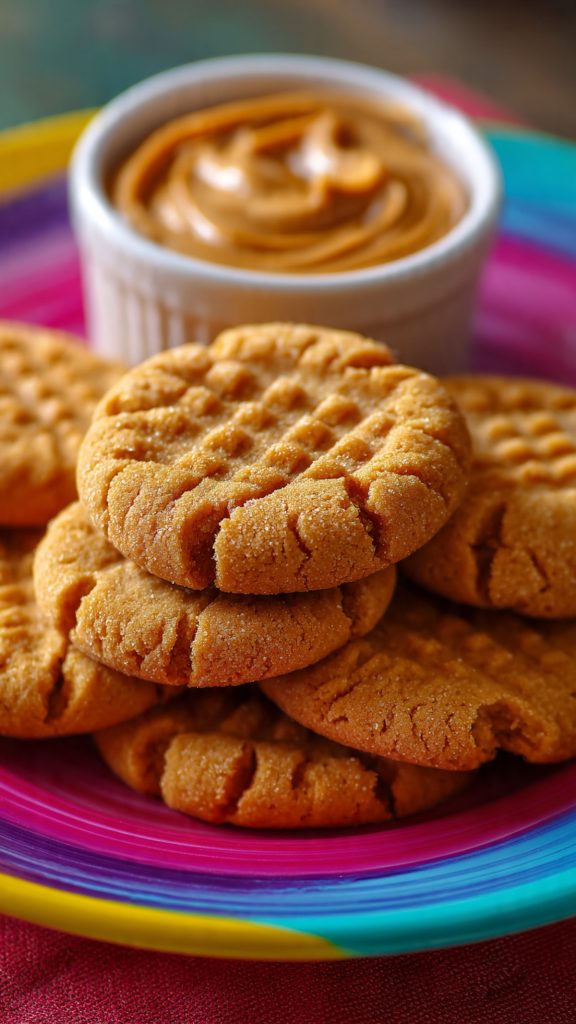
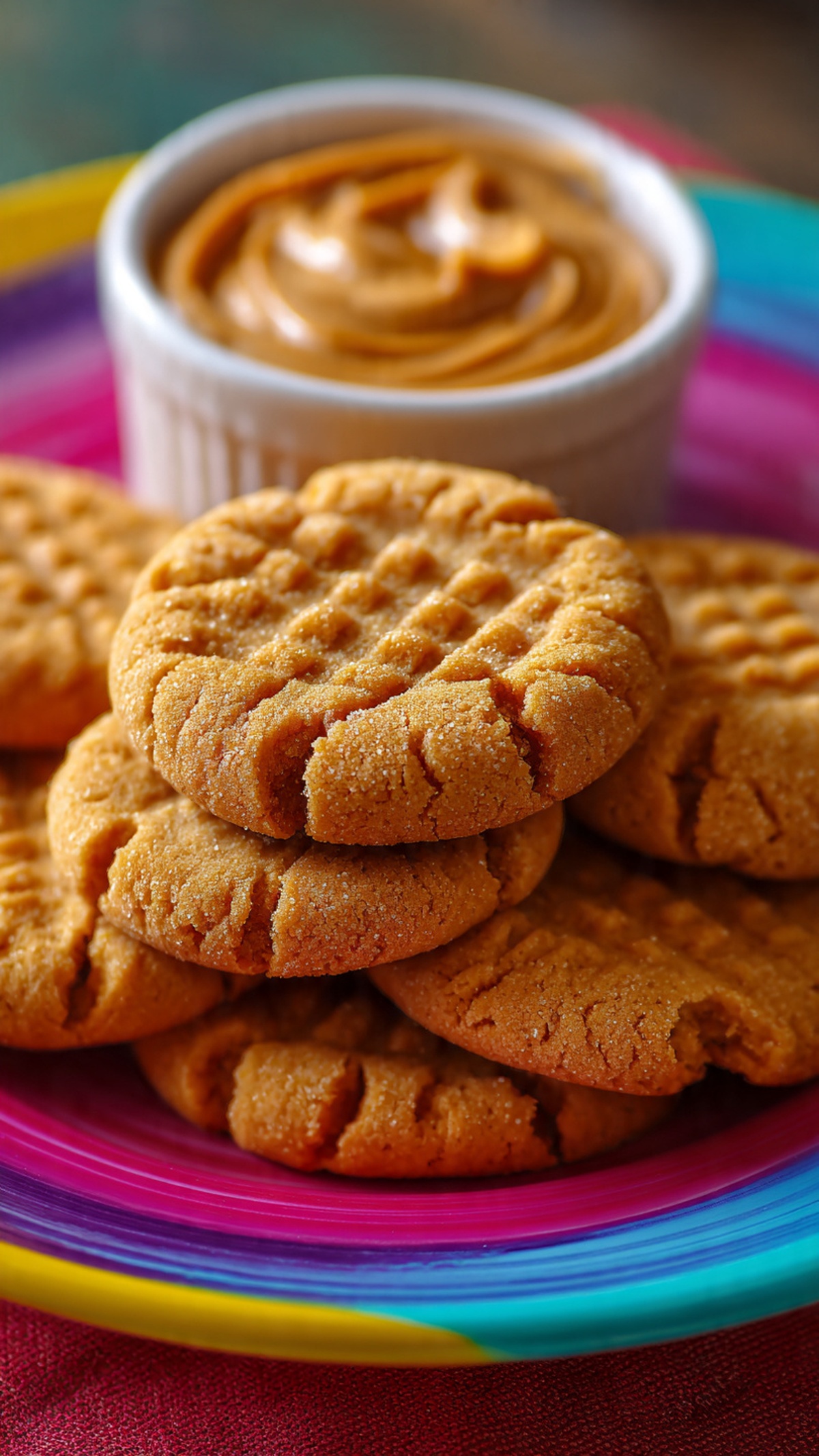
- Gently press the top of each dough ball with a fork in one direction, then again at a 90-degree angle to create a criss-cross pattern. The cookies should be about 1/2 inch thick after pressing — don’t squash them completely flat or they’ll become dry.
- Bake in the preheated oven for about 9–11 minutes, until the edges look set and just starting to turn a deeper golden color. The centers may still look slightly soft — this is what keeps them chewy.
- Remove the baking sheet from the oven and let the cookies cool on the pan for 5 minutes to firm up. Then transfer them carefully to a wire rack to cool completely. They’ll continue to set as they cool, so avoid moving them immediately or they may break.
Crunchy vs. Creamy Peanut Butter
Both crunchy and creamy peanut butter work here, but they behave a little differently. With creamy peanut butter, the dough mixes more evenly and you get a smoother texture and more classic, bakery-style cookie. Creamy also tends to spread a bit more evenly, which is helpful when you want a uniform batch. If you like a softer, almost fudgy center, creamy is usually the better choice.
Cru
nchy peanut butter, on the other hand, adds small peanut pieces throughout the dough, giving the cookies extra texture and a bit more interest in each bite. If you use crunchy, just be sure to mix until the egg and sugar are fully incorporated because the peanuts can hide pockets of unmixed sugar. With natural peanut butters (both crunchy and creamy), stir very well before measuring so the oil is evenly distributed. If your natural peanut butter is very runny, you may want to chill the dough for 15–20 minutes so the cookies don’t spread too much.
Easy Flavor Add-Ins
With such a simple base, small additions make a big difference. For a lighter sweetness, you can swap part of the sugar with coconut sugar or reduce the total sugar slightly; the texture will still hold up. A teaspoon of vanilla extract or a pinch of fine sea salt deepens the flavor without adding complexity to the process. If you prefer a more dessert-like cookie, a small handful of dark chocolate chips works well with the peanut butter and adds antioxidants.
You can also play with spices: a pinch of cinnamon, pumpkin pie spice, or even a little espresso powder can give the cookies a more grown-up profile. Just keep add-ins modest so you don’t overwhelm the three-ingredient structure. As a guideline, limit mix-ins like chocolate chips, chopped peanuts, or seeds to about 1/3 cup total per batch so the dough stays cohesive and bakes evenly.
Freezing the Cookie Dough
This recipe freezes very well, which makes it ideal for quick treats with almost no effort. After mixing the dough, scoop and roll it into balls, then place them on a parchment-lined tray. Freeze until firm, about 1–2 hours. Once solid, transfer the dough balls to a freezer-safe bag or container, removing as much air as possible. Label with the date and baking temperature so it’s ready when you are.
When you’re ready to bake, place the frozen dough balls on a lined baking sheet, let them sit at room temperature for about 10 minutes, then press with a fork to make the criss-cross pattern. Bake at 350°F (175°C), adding 1–2 extra minutes if needed. Don’t thaw completely or the dough may become sticky and over-spread. This method helps you bake only what you need, which can be helpful if you’re aiming for portion control or just want fresh cookies on demand.
Your Questions Answered
How can I make these cookies a bit lighter or lower in sugar without ruining the texture?
You can reduce the sugar to about 3/4 cup without major texture issues; the cookies will be slightly less sweet but still soft and chewy. If you want to go even lighter, try using half white sugar and half coconut sugar, which adds a bit of caramel flavor and a slightly lower glycemic impact. Just avoid cutting the sugar too drastically, or the dough may become crumbly. Mix thoroughly to be sure the egg, peanut butter, and sugar form a cohesive, glossy dough before baking.
Why do my cookies crack too much or turn out dry around the edges?
Excessive cracking and dryness usually come from overbaking or pressing the cookies too thin. Because there’s no flour or added moisture, these cookies set quickly. Aim to pull them from the oven when the edges are just firm and the centers still look slightly soft; they’ll finish setting on the hot baking sheet. Also, when you press with a fork, stop when they’re about 1/2 inch thick. If your oven runs hot, try lowering the temperature by 10–15°F and check them a minute earlier.
Can I swap the peanut butter for another nut or seed butter?
Yes, but the results vary depending on the type. Almond butter and cashew butter usually substitute well, though the cookies may spread a bit differently and have a milder flavor. Sunflower seed butter can work if you need a nut-free version, but it may react with baking soda in other recipes and sometimes turns green; in this three-ingredient version it’s usually less of an issue. Choose a nut or seed butter that’s thick and well-stirred, not overly runny or dry. You may need to bake a test cookie first to check spread and adjust baking time by a minute or so.
3 Ingredient Peanut Butter Cookies
Equipment
- mixing bowl
- Electric mixer or spoon
- Baking sheet
- Wire Rack
Ingredients
- 1 cup peanut butter
- 1 cup white granulated sugar
- 1 large egg
Instructions
- Gather the ingredients and set the oven to 350°F (175°C). Prepare baking sheets; no greasing is necessary.
- Combine the peanut butter, sugar, and egg in a bowl. Use an electric mixer or a sturdy spoon to beat until the mixture is smooth and evenly combined.
- Scoop out portions of dough about 1 inch in diameter and place them on the prepared baking sheet, leaving roughly 2 inches between each.
- Gently press each ball with the tines of a fork, first in one direction and then perpendicular to create a crosshatch pattern.
- Bake for about 10 minutes, until the edges are set and the centers still look slightly soft. Allow cookies to cool briefly on the sheet, then transfer to a wire rack to finish cooling.
- Serve once cooled and enjoy your chewy peanut butter cookies.